
Bloating Is a Signal, Not a Normal Part of Aging
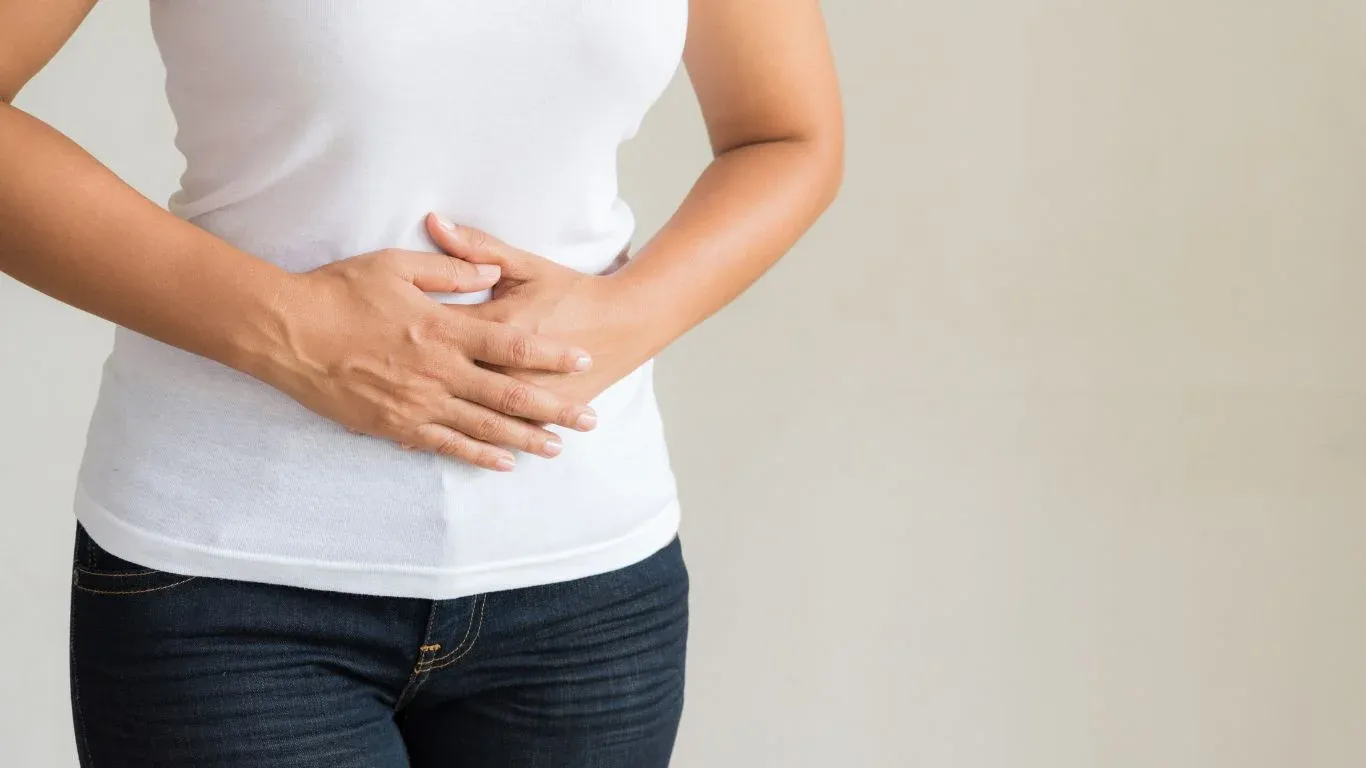
Bloating is one of the most common complaints I hear from women—especially during perimenopause and menopause. And yet, many are told to just accept it as part of getting older.
Here’s the truth: bloating is a signal, not something you’re meant to live with.
Your body isn’t betraying you. It’s communicating with you.
Why Bloating Happens (Especially During Perimenopause and Menopause)
Hormonal changes during perimenopause and menopause can affect digestion in several ways:
Slower stomach acid production
Reduced bile flow (needed to digest fats)
Slower gut movement
Increased sensitivity to stress
When digestion slows down, food sits longer in the gut. This can lead to gas, pressure, discomfort, and that tight or swollen belly feeling many women experience—sometimes even after eating “clean.”
That’s why bloating is not always about eating the wrong foods. Often, it’s about how well food is being broken down and moved through your system.
Common Root Causes of Bloating
Persistent bloating usually means something deeper needs support. Common contributors include:
Chronic stress or nervous system overload
Low stomach acid
Sluggish bile flow
Past gut infections or antibiotic use
Inflammation in the gut
Eating too fast or while distracted
This is also why bloating can show up even when your diet looks great. The issue isn’t restriction—it’s digestion.
Your Gut and Nervous System Are Deeply Connected
Your gut is highly sensitive to stress. When your nervous system feels rushed, unsafe, or overwhelmed, digestion naturally slows.
Think of it this way: your body won’t prioritize digestion if it thinks it needs to be in survival mode.
That’s why slowing down, breathing deeply, and eating in a calm state can make a real difference. How you eat matters just as much as what you eat.
Foods That Often Help Reduce Bloating
Everyone is different, but many women find relief when they focus on foods that are easier to digest and supportive of gut movement:
Well-cooked vegetables (zucchini, carrots, squash)
Soups and stews
Protein at every meal
Bone broth
Ginger, fennel, and peppermint
Warm meals instead of cold or raw foods
Simple meals with fewer ingredients
These foods help the gut do its job without creating extra stress.
Simple Daily Habits That Support Digestion
Small shifts can create big changes over time:
Slow down while eating.
Chew food thoroughly.
Avoid eating while stressed or distracted.
Take a few deep breaths before meals.
Create consistent meal times.
These habits signal safety to your nervous system—and a calmer nervous system supports better digestion.
Why Restriction Often Makes Bloating Worse
Many women try to fix bloating by cutting more foods, skipping meals, or jumping into extreme detoxes.
Unfortunately, this often backfires.
Restriction can:
Increase stress hormones
Slow digestion even more
Disrupt blood sugar
Make bloating more unpredictable
The goal isn’t to punish your gut. It’s to support it.
Bloating Is Feedback, Not Failure
If bloating has been ongoing, your body is asking for gentle, consistent support—not perfection.
When digestion is supported and the nervous system feels safer, bloating often improves—sometimes dramatically—even during perimenopause.
This is exactly why I created my Seasonal LIGHT Reset. It focuses on:
Rebuilding digestion
Calming inflammation
Supporting the nervous system
Working with your hormones, not against them
Because healing doesn’t come from doing more—it comes from doing what your body actually needs.
Final Thought
Your gut isn’t being dramatic—it’s being honest.
And once you learn how to listen, respond, and support it, those daily digestive struggles don’t have to run your life.
You don’t have to live with constant bloating. You don’t have to fear food. And you definitely don’t have to accept gut discomfort as “normal aging.”
Your body is always communicating. The real shift happens when you start responding with care instead of control.
If you’re tired of guessing and want real support for ongoing bloating, I invite you to book your FREE call below. Together, we’ll look at digestion, hormones, and stress so your gut can finally calm down.
Ready to begin your journey?

Nationally Board Certified Health and Wellness Coach, NBC-HWC
Certified Functional Medicine Health Coach, FMCHC
Midlife Hormone Mastery Coach
"Helping women overcome hormone imbalance & gut issues naturally."





Copyright © 2023-2026 Be Well Health Coaching, LLC | All Rights Reserved | Privacy Policy | Disclaimer